
In today’s digital landscape, having a robust and reliable online presence is non-negotiable. This need has led many individuals and businesses to explore options for nico heid highly scalable cheap wordpress self hosting. As WordPress continues to dominate the content management system (CMS) world due to its flexibility and ease of use, finding an efficient, cost-effective hosting solution can significantly enhance your web project’s performance and scalability United Coders.
Understanding the Concept of Self Hosting
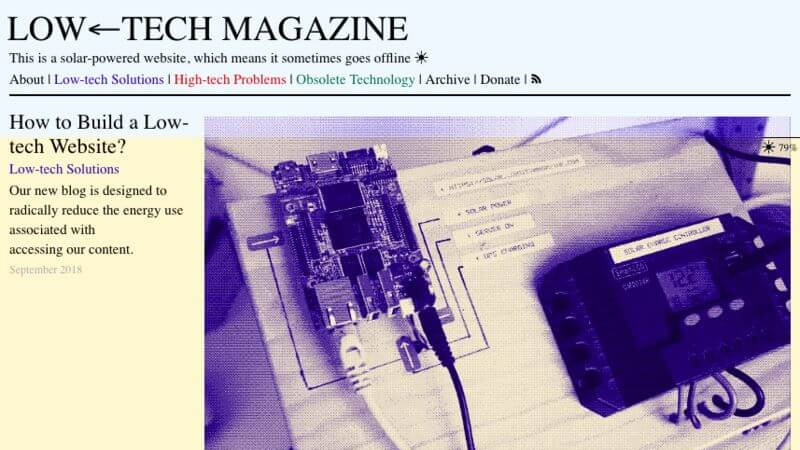
Self-hosting is a term that refers to the practice of hosting your website on your own server or through a service you manage rather than relying on a third-party provider. The advent of affordable hardware and the availability of open-source software have made this option increasingly popular.
Advantages of Self Hosting
The primary advantage of self-hosting is control. By managing your server, you dictate how your website functions, from the technical stack to updates and security protocols.
- Full Control Over Your Website: You have the liberty to customize everything according to your needs. This includes choosing which plugins to install, how to manage backups, and what security measures to implement.
- Cost Efficiency: Although initial setup costs may be higher, long-term savings are significant, especially with scalable solutions tailored for WordPress. A well-configured self-hosted WordPress environment can reduce monthly fees associated with managed hosting services.
- Enhanced Performance: When you manage your hosting environment, you can optimize it specifically for your WordPress site. This ensures faster load times, better uptime, and improved overall user experience.
Challenges of Self Hosting
However, it’s essential to recognize the challenges involved in self-hosting. Many users find these obstacles daunting, but understanding them upfront can make the transition smoother.
- Technical Knowledge Required: Successfully managing a self-hosted server requires a certain level of technical expertise. You must be comfortable with server administration, domain management, and troubleshooting issues as they arise.
- Time Investment: Regular maintenance is necessary to keep your site running optimally. From updates to security patches, the time commitment can be significant.
- Potential Security Risks: Self-hosting puts the onus of security on you. Neglecting updates or not configuring security settings properly can lead to vulnerabilities.
In summary, while there are viable benefits to self-hosting your WordPress site, thorough research and preparation are crucial for anyone considering this route.
Identifying Scalable Solutions for WordPress
Scalability is a crucial aspect of web hosting that allows your website to grow alongside your business or project. As traffic increases, your hosting solution should accommodate the influx without compromising performance.
What is Scalability?
Scalability refers to the capability of a system to handle a growing amount of work or its potential to enlarge itself to accommodate that growth. In the context of web hosting, this means your server resources—such as bandwidth, storage, and processing power—can be adjusted based on your needs.
- Vertical vs. Horizontal Scaling: Vertical scaling involves adding more power to your existing server (like upgrading RAM or CPU), whereas horizontal scaling entails adding more servers to share the load. For WordPress sites, both methods can be employed depending on specific requirements.
- Cloud Hosting: Many modern hosting solutions utilize cloud technology, allowing for flexible resource allocation and scalability. You pay for what you use, making it a practical choice for WordPress users needing sudden bursts of resources during peak times.
Key Features to Look for in Scalable Hosting
When searching for a scalable hosting solution for WordPress, several key features should be prioritized.
- Resource Allocation: Ensure the provider offers a straightforward mechanism to allocate resources dynamically. This feature is essential for managing unexpected traffic spikes without downtime.
- Load Balancing: This capability helps distribute incoming traffic evenly across multiple servers, preventing any single server from becoming overwhelmed. It enhances performance and ensures consistent user experiences.
- Content Delivery Network (CDN) Integration: A CDN can significantly speed up your site. By caching your content across various locations globally, it reduces latency and improves load times.
Personalizing Your Scalable Hosting Experience
Personal insights indicate that many users often overlook the importance of customizing their hosting environments. Finding a balance between performance and expense is possible by choosing hosting plans that allow personalized configurations.
- Trial and Error: Don’t hesitate to experiment with different setups. Start small, monitor performance metrics, and gradually scale up as needed.
- Regular Monitoring: Keeping an eye on server performance can help identify bottlenecks or areas for improvement. Tools like Google Analytics can provide insights into traffic patterns and user behavior.
By focusing on scalability, you’re preparing your WordPress site to adapt seamlessly to growth, ultimately enhancing user satisfaction and improving search engine rankings.
Selecting Affordable Hosting Options
While many may perceive high-quality hosting as synonymous with high costs, plenty of budget-friendly options cater to scalable WordPress self-hosting. Knowing where to look and what to prioritize can lead to significant savings.
Exploring Budget-Friendly Hosting Providers
Numerous web hosting providers offer competitive pricing without sacrificing quality. Understanding the nuances of each will guide you toward making an informed decision.
- Shared Hosting: This is often the most economical option, where multiple websites share server resources. While this setup is cost-effective, it may not provide the best performance during traffic surges.
- VPS Hosting: Virtual Private Server (VPS) hosting strikes a balance between shared and dedicated hosting. It’s more expensive than shared hosting but offers scalability and improved performance, making it suitable for growing WordPress sites.
- Managed WordPress Hosting: These specialized services come with pre-optimizations for WordPress, offering automatic updates and enhanced security. While slightly pricier than standard shared hosting, the benefits often outweigh the costs.
Understanding Pricing Models
It’s vital to understand the pricing structure when selecting a hosting provider. Initial low rates may be enticing, but ensure you’re not falling into a trap of hidden fees.
- Introductory Pricing vs. Renewal Rates: Some hosts offer low initial rates that skyrocket upon renewal. Always review the terms thoroughly before committing.
- Add-On Costs: Be mindful of additional charges for services such as backups, SSL certificates, or premium support. Compare plans comprehensively to get the best value.
Long-Term Cost Management
Being aware of ongoing costs and implementing effective budgeting strategies can help maintain affordability in self-hosting.
- Annual Billing Discounts: Many providers offer discounts for longer billing cycles. Consider paying annually instead of monthly for substantial savings.
- Utilizing Free Resources: Take advantage of free plugins and themes available within the WordPress ecosystem. They can save money while still delivering powerful functionality.
Selecting a hosting solution doesn’t have to break the bank. With careful planning and consideration, it’s easy to find a nico heid highly scalable cheap WordPress self hosting option that suits your needs.
FAQs
What is the difference between self-hosting and managed hosting?
Self-hosting allows you to control your server environment fully, requiring technical knowledge and regular management. Managed hosting, on the other hand, provides automated services like backups and updates, offering less control but greater convenience.
Is self-hosting secure for my WordPress site?
Self-hosting can be secure if you’re diligent about maintaining updates, implementing strong security practices, and regularly monitoring for vulnerabilities. However, it does require more responsibility compared to managed hosting solutions.
Can I migrate my WordPress site easily if I choose self-hosting?
Yes! Migrating a WordPress site can be accomplished using various plugins designed for this purpose. Manual migration via FTP and database export/import is also an option, though it requires more technical skill.
How much technical knowledge do I need for self-hosting?
A fundamental understanding of web server technologies, databases, and file management is necessary. Familiarity with the command line and server configuration can be beneficial but is not always essential.
What should I consider when choosing a hosting provider?
When selecting a hosting provider, consider factors such as scalability, reliability, customer support, security features, and pricing structures. Reading reviews and comparisons can also provide valuable insights.
Conclusion
Embarking on the journey of nico heid highly scalable cheap WordPress self hosting opens doors to unparalleled control and customization over your online presence. While challenges exist, the rewards of managing a scalable and budget-friendly hosting solution far outweigh the complications. By choosing wisely, leveraging available resources, and continuously monitoring performance, you can create a thriving WordPress site that evolves with your needs. Whether you’re a blogger, small business owner, or aspiring entrepreneur, self-hosting empowers you to carve out your niche in the digital world while keeping costs manageable.
